
MeiXin
Meixin Paper Tech
High-tech enterprise integrating research and development, production, sales and service.
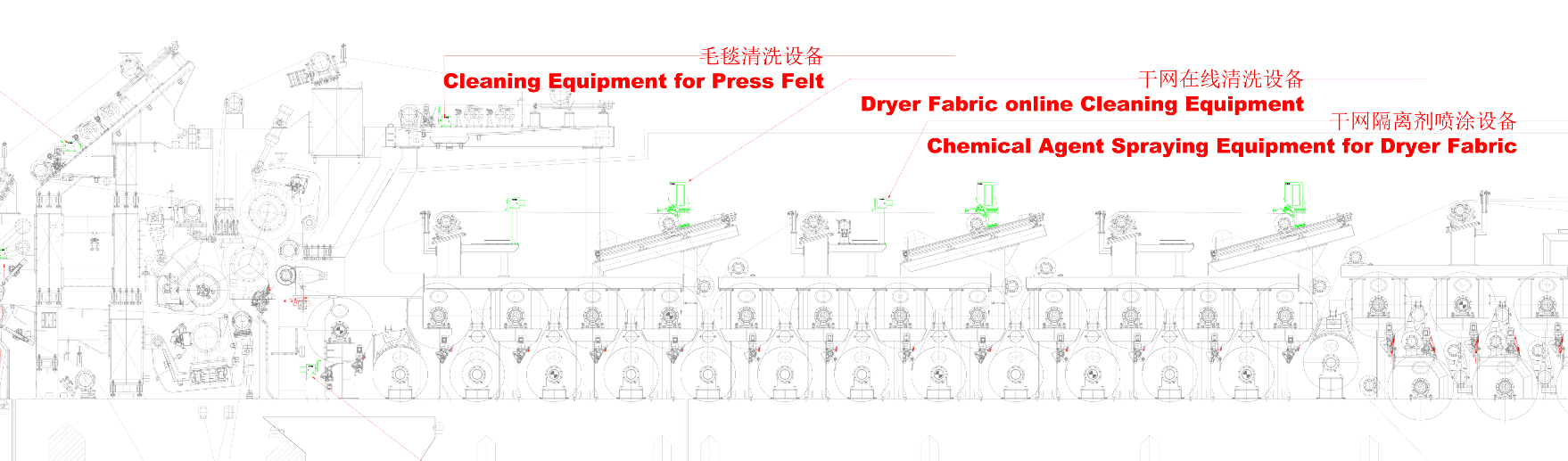
The Revolutionary Impact of Dry Fabric Chemical Spraying Machinery in Manufacturing
Published on:
2026-03-19 09:00
In the ever-evolving landscape of manufacturing, dry fabric chemical spraying machinery has emerged as a pivotal innovation, particularly in the textile and other material processing industries. This specialized equipment serves to treat and coat fabrics with various chemical solutions, enhancing their properties and expanding their applications. Unlike traditional wet spraying methods, dry fabric chemical spraying utilizes a unique approach that minimizes liquid content, making it an efficient and effective solution for fabric treatment.
One of the primary advantages of dry fabric chemical spraying machinery is its ability to apply chemicals uniformly across fabric surfaces. This uniform application ensures consistent treatment, which is crucial in producing high-quality end products. By leveraging advanced spraying technologies, manufacturers can achieve precise control over the amount of chemical used, leading to reduced waste and lower environmental impact.
Moreover, dry spraying techniques often result in faster drying times. Traditional methods can lead to extended drying periods, which can slow down production processes. However, with dry fabric chemical spraying, the reduced moisture content allows for quicker drying, enabling manufacturers to optimize their production schedules and increase overall efficiency.
Another aspect worth noting is the enhanced versatility that dry fabric chemical spraying machinery offers. This equipment can handle a variety of chemicals, from flame retardants to water repellents, making it suitable for diverse applications. As manufacturers seek to meet the evolving demands of consumers and industries, the flexibility of dry spraying technology ensures they can quickly adapt to new requirements without overhauling their processes.
In addition to improving fabric performance, dry fabric chemical spraying machinery also contributes to sustainability efforts. By using fewer chemicals and reducing waste, manufacturers can minimize their environmental footprint. This aligns with the growing trend toward sustainable manufacturing practices, where companies are increasingly focusing on reducing their impact on the planet.
Furthermore, the integration of automation in dry fabric chemical spraying machinery enhances operational efficiency. Many modern systems come equipped with advanced control mechanisms that allow for real-time monitoring and adjustments. This level of automation not only streamlines operations but also enhances the safety of the manufacturing environment by reducing human intervention in potentially hazardous processes.
In conclusion, dry fabric chemical spraying machinery represents a significant advancement in the manufacturing sector. Its ability to provide precise, efficient, and environmentally friendly fabric treatments makes it an invaluable asset for manufacturers seeking to improve their processes. As the industry continues to evolve, embracing such innovative technologies will be essential in meeting the challenges and opportunities that lie ahead, ensuring that manufacturers can produce high-quality products while remaining responsive to market demands.
One of the primary advantages of dry fabric chemical spraying machinery is its ability to apply chemicals uniformly across fabric surfaces. This uniform application ensures consistent treatment, which is crucial in producing high-quality end products. By leveraging advanced spraying technologies, manufacturers can achieve precise control over the amount of chemical used, leading to reduced waste and lower environmental impact.
Moreover, dry spraying techniques often result in faster drying times. Traditional methods can lead to extended drying periods, which can slow down production processes. However, with dry fabric chemical spraying, the reduced moisture content allows for quicker drying, enabling manufacturers to optimize their production schedules and increase overall efficiency.
Another aspect worth noting is the enhanced versatility that dry fabric chemical spraying machinery offers. This equipment can handle a variety of chemicals, from flame retardants to water repellents, making it suitable for diverse applications. As manufacturers seek to meet the evolving demands of consumers and industries, the flexibility of dry spraying technology ensures they can quickly adapt to new requirements without overhauling their processes.
In addition to improving fabric performance, dry fabric chemical spraying machinery also contributes to sustainability efforts. By using fewer chemicals and reducing waste, manufacturers can minimize their environmental footprint. This aligns with the growing trend toward sustainable manufacturing practices, where companies are increasingly focusing on reducing their impact on the planet.
Furthermore, the integration of automation in dry fabric chemical spraying machinery enhances operational efficiency. Many modern systems come equipped with advanced control mechanisms that allow for real-time monitoring and adjustments. This level of automation not only streamlines operations but also enhances the safety of the manufacturing environment by reducing human intervention in potentially hazardous processes.
In conclusion, dry fabric chemical spraying machinery represents a significant advancement in the manufacturing sector. Its ability to provide precise, efficient, and environmentally friendly fabric treatments makes it an invaluable asset for manufacturers seeking to improve their processes. As the industry continues to evolve, embracing such innovative technologies will be essential in meeting the challenges and opportunities that lie ahead, ensuring that manufacturers can produce high-quality products while remaining responsive to market demands.
Latest News


MeiXin Products
Contact Us
Office Telephone
Building 14&15, International Laser Industrial Park, High Tech District, Jinan, Shandong
Factory Address
营业执照