
MeiXin
Meixin Paper Tech
High-tech enterprise integrating research and development, production, sales and service.
Maximize Efficiency with Advanced Dry Fabric Chemical Spraying Solutions
Published on:
2026-03-26 09:00
Maximize Efficiency with Advanced Dry Fabric Chemical Spraying Solutions
Introduction to Dry Fabric Chemical Spraying Solutions
In the realm of manufacturing, efficiency is paramount. The introduction of **advanced dry fabric chemical spraying solutions** has revolutionized the way industries approach fabric treatment processes. These solutions are designed not just to meet the demands of modern manufacturing but also to exceed them, allowing companies to maximize output while minimizing resource consumption.
What are Dry Fabric Chemical Spraying Solutions?
Dry fabric chemical spraying solutions involve the application of specialized chemical agents onto fabric surfaces using advanced spraying technologies. This method is not only efficient but also provides several advantages over traditional wet application methods. By delivering chemicals in a dry form, manufacturers can achieve precise application, reduce drying times, and enhance overall productivity.
Key Components of Dry Fabric Spraying Systems
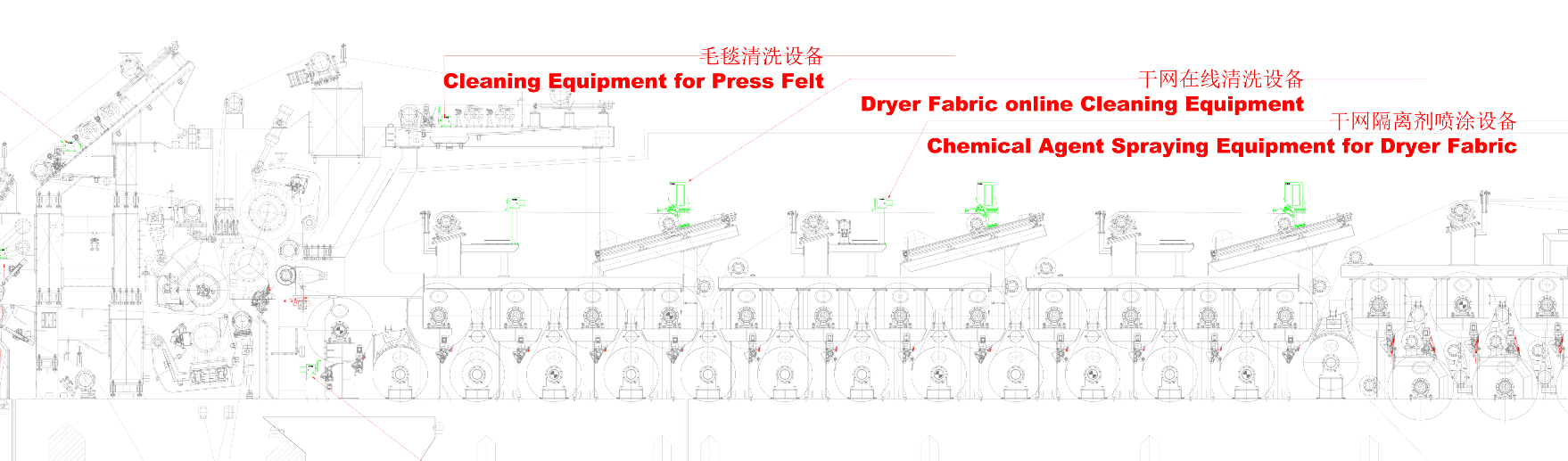
Understanding the key components of a dry fabric spraying system is crucial for businesses looking to enhance their manufacturing processes. These components typically include:
1. **Spray Nozzles**: Designed for precision, these nozzles deliver a fine mist of chemicals onto fabric surfaces.
2. **Control Systems**: Advanced control systems allow for real-time monitoring and adjustment of spraying parameters, ensuring optimal application.
3. **Chemical Reservoirs**: These containers hold the dry chemicals before they are dispersed, allowing for easy refilling and maintenance.
4. **Filtration Systems**: Essential for maintaining the quality of the sprayed chemicals, ensuring that contaminants do not interfere with the treatment process.
The Role of Technology in Spraying Solutions
Technological advancements have played a pivotal role in the evolution of dry fabric chemical spraying solutions. Innovations such as **automated systems**, **IoT integration**, and **AI-driven analytics** are making it possible for manufacturers to achieve higher efficiency and better quality control.
The Advantages of Using Advanced Dry Fabric Chemical Spraying Solutions
Utilizing advanced dry fabric chemical spraying solutions presents numerous benefits for manufacturers:
1. Enhanced Efficiency and Productivity
By employing precise spraying techniques, manufacturers can apply chemicals evenly, reducing the likelihood of over-application or wastage. This streamlined process leads to significant improvements in productivity.
2. Reduced Environmental Impact
The use of dry chemical applications minimizes water usage and lowers the release of harmful chemicals into the environment. This not only aligns with regulatory standards but also enhances a company's commitment to sustainability.
3. Improved Product Quality
The accuracy of dry spraying ensures consistent application of chemicals, resulting in higher quality fabrics. This consistency is especially crucial in industries where product specifications are stringent.
4. Cost Savings
Reduction in chemical waste, lower water consumption, and improved efficiency lead to considerable cost savings. These financial benefits can have a profound impact on a company's bottom line.
5. Versatility Across Various Industries
Advanced dry fabric chemical spraying solutions can be adapted for use in a variety of industries, including textiles, automotive, and aerospace. This versatility makes them a valuable investment for manufacturers across different sectors.
Implementing Advanced Dry Fabric Chemical Spraying Solutions
Transitioning to advanced dry fabric chemical spraying solutions requires careful planning and execution. Here are the critical steps to consider:
1. Assessing Your Current Processes
Before making any changes, evaluate your existing fabric treatment processes. Identify inefficiencies and areas where dry fabric spraying could make an impact.
2. Choosing the Right Technology
Investing in the appropriate technology is essential. Look for systems that can be easily integrated into your production line and offer features that meet your specific needs.
3. Training Your Workforce
Proper training is crucial for maximizing the benefits of new spraying solutions. Ensure that your team understands the technology and can operate it effectively.
4. Monitoring and Optimization
Once implemented, continuously monitor the performance of the spraying solutions. Use data analytics to identify areas for further optimization and improvement.
Case Studies: Successful Implementation of Spraying Solutions
Examining real-world examples can illustrate the effectiveness of advanced dry fabric chemical spraying solutions.
Case Study 1: Textile Manufacturer
A leading textile manufacturer adopted dry fabric spraying technology to enhance its dyeing processes. As a result, the company reported a **30% reduction in water usage** and significant improvements in color consistency across its product range.
Case Study 2: Automotive Industry
An automotive company implemented advanced spraying solutions for fabric treatments in upholstery. The company experienced a **25% increase in productivity**, allowing them to meet rising consumer demand without compromising quality.
FAQs about Advanced Dry Fabric Chemical Spraying Solutions
1. What types of chemicals can be used in dry fabric spraying solutions?
Dry fabric spraying solutions can utilize a variety of chemicals, including dyes, finishes, and protective coatings. The choice of chemical will depend on the desired outcome for the fabric.
2. How does dry spraying compare to traditional wet spraying?
Dry spraying offers greater precision, reduced drying times, and lower environmental impact compared to traditional wet spraying methods.
3. Are advanced dry fabric spraying solutions suitable for all types of fabrics?
While many fabrics can benefit from dry spraying, it is essential to assess the compatibility of the fabric material with the selected chemicals.
4. What are the maintenance requirements for dry spraying systems?
Regular maintenance includes cleaning the spray nozzles, checking the filtration systems, and ensuring that the control systems are functioning properly.
5. How can we measure the efficiency of dry fabric spraying solutions?
Efficiency can be measured through various metrics, including chemical usage per unit of fabric, production time per batch, and quality control measures.
Conclusion
Advanced dry fabric chemical spraying solutions are transforming the landscape of manufacturing. By adopting these innovative technologies, businesses can enhance efficiency, improve product quality, and significantly reduce environmental impact. As industries continue to evolve, the capabilities of these solutions will play a crucial role in shaping the future of manufacturing. Embracing the power of dry fabric spraying not only prepares companies for current challenges but also positions them as leaders in a competitive market.
Previous Article
Previous Article
Latest News


MeiXin Products
Contact Us
Office Telephone
Building 14&15, International Laser Industrial Park, High Tech District, Jinan, Shandong
Factory Address
营业执照